
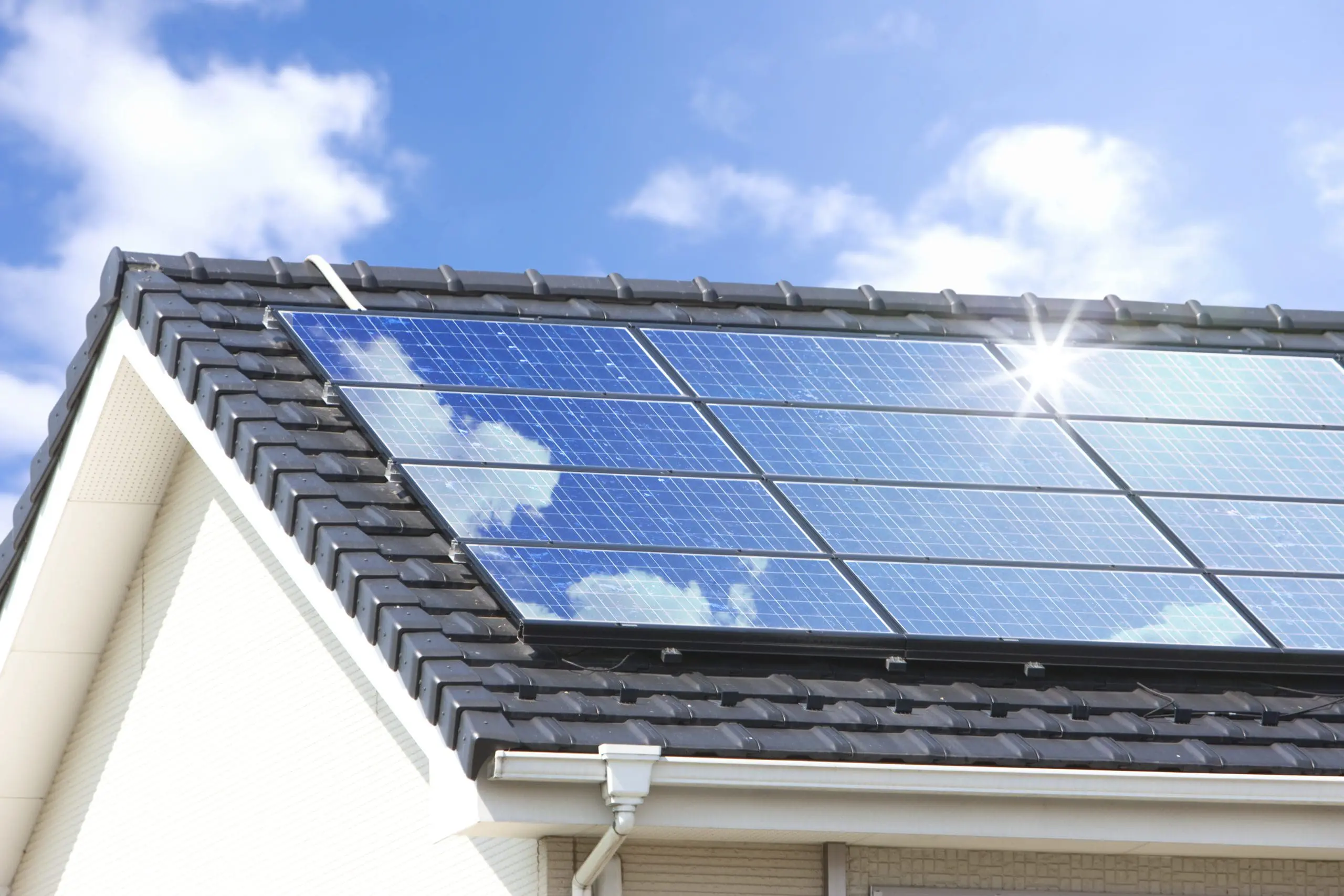
A Smart Approach to Solar
Thinking about installing solar panels? You’re not alone. More Piedmont Electric members are exploring solar as a way to support renewable energy. But before you make the investment, it’s important to understand how solar works and what to watch for.
DO: Improve Your Home’s Efficiency First
Before installing solar, make sure your home is as energy efficient as possible. Sealing air leaks, adding insulation and upgrading equipment can lower your energy use and reduce the size and cost of the solar system you may need.
DO: Talk to your co-op early
Piedmont Electric should be one of your first calls. Your co-op can:
- Help review your energy use
- Explain how solar connects to the grid
- Answer questions about billing, rates and policies
This ensures you’re making an informed decision, not just relying on sales claims.
DO: Understand how solar works with the grid
Most home solar systems don’t fully power your home all the time. You’ll still rely on the electric grid at night, on cloudy days and during times of high energy use.
Through net metering, the energy your system produces can offset some of what you use, helping reduce your monthly bill but it likely will not eliminate it. Excess energy your panels produce during the day will be credited toward what you use from the grid at night or on low-production days.
DO: Size Your System Based on Your Actual Needs
Review your past energy use to determine the right system size. Installing a system that’s too large can increase costs and reduce your return on investment.
DON’T: Assume Solar Will Eliminate Your Electric Bill
Solar can lower your bill, but most systems won’t cover 100% of your energy needs year-round. You’ll still receive a monthly bill, including basic service charges that support the electric system.
DON’T: Fall for “Free Solar” Offers
If a deal sounds too good to be true, it probably is. Some offers involve long-term contracts or financing that may not deliver the savings you expect. Always review the full cost including installation, maintenance and long-term obligations.
DON’T: Skip the Research
Take time to compare multiple quotes, check contractor references and review contracts carefully. Choosing a reputable installer is one of the most important steps in the process.